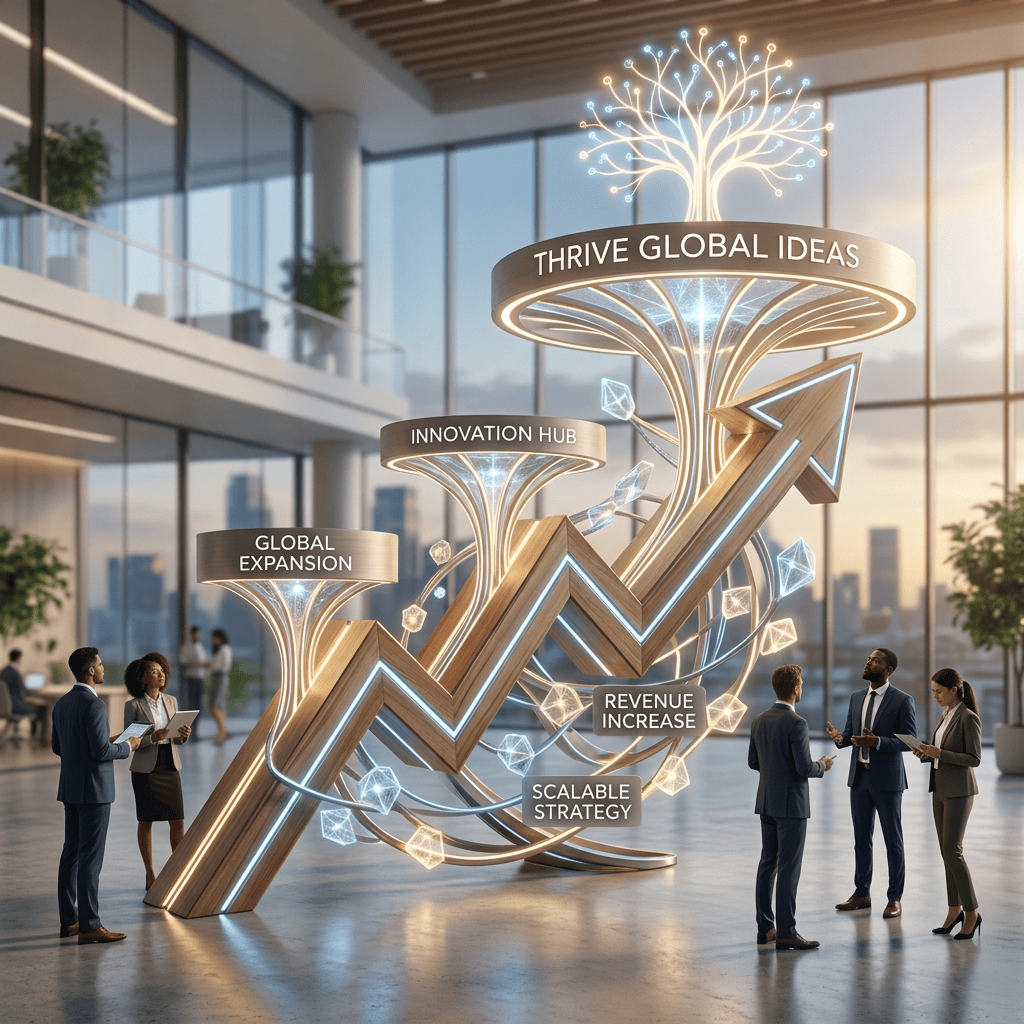
In today’s competitive economy, organizations constantly search for methods that can improve productivity, increase revenue, and strengthen customer loyalty. Many leaders are now turning toward Thrive Global Business approaches because they focus on sustainable progress, employee well-being, innovation, and long-term market positioning. Instead of depending only on aggressive expansion tactics, modern enterprises are realizing that balanced growth often creates stronger and more reliable success over time. Businesses that combine creativity with practical leadership strategies are often able to outperform competitors while maintaining healthier workplace cultures.
The Importance of Sustainable Expansion
Rapid growth may look attractive from the outside, but expansion without planning can create operational problems, financial pressure, and employee burnout. Sustainable development allows companies to scale at a manageable pace while maintaining quality standards and customer satisfaction. Organizations that invest in stable systems and long-term planning usually experience better retention rates and stronger brand trust.
A sustainable approach encourages decision-makers to think beyond short-term profits. It emphasizes operational efficiency, strategic hiring, and customer-focused improvements. Businesses that prioritize these elements often build stronger foundations that support future opportunities. When teams are not overwhelmed by unrealistic expectations, they can focus more effectively on innovation and performance.
Many successful companies also understand that growth should not come at the expense of employee health. Overworked staff members are more likely to lose motivation, make mistakes, or leave the organization entirely. A healthier work environment increases morale and helps teams stay productive for longer periods.
Building a Strong Company Culture
A positive workplace culture is one of the most valuable assets any organization can develop. Employees who feel respected and appreciated are usually more engaged in their work. Strong culture creates a sense of purpose and encourages collaboration between departments.
Leaders who communicate openly with their teams often establish higher levels of trust. Transparent communication reduces confusion and helps workers feel connected to company goals. Employees become more motivated when they understand how their contributions impact the organization’s overall success.
Recognition also plays a major role in maintaining morale. Simple appreciation programs, professional development opportunities, and constructive feedback can significantly improve employee satisfaction. Businesses that celebrate achievements create environments where workers feel encouraged to perform at their best.
Culture influences customer experience as well. Happy employees tend to provide better service, which leads to improved client relationships. Customers often notice when businesses operate with genuine enthusiasm and professionalism.
The Role of Innovation in Faster Growth
Innovation is essential for companies that want to remain competitive in evolving industries. Organizations that resist change may struggle to adapt when customer preferences shift or new technologies emerge. Businesses that embrace innovation are often able to identify new opportunities before competitors do.
Innovation does not always require massive investments or revolutionary inventions. Small improvements in customer service, internal systems, or marketing strategies can create meaningful results. Many successful organizations grow by continuously refining their processes instead of waiting for major breakthroughs.
Technology also plays a significant role in modern business expansion. Automation tools, data analytics, and digital communication platforms help organizations improve efficiency while reducing operational costs. Companies that effectively use technology can often serve customers faster and make smarter decisions based on real-time information.
Creative thinking should be encouraged throughout the organization. Employees working in different departments may offer valuable perspectives that leadership teams overlook. By welcoming new ideas, companies create environments where innovation becomes part of everyday operations.
Leadership That Inspires Progress
Strong leadership is often the driving force behind successful growth. Effective leaders provide direction, motivate teams, and create confidence during uncertain periods. Employees are more likely to remain committed when they trust the vision of their leadership team.
Good leaders also understand the importance of adaptability. Market conditions can change quickly, and organizations must respond efficiently to new challenges. Leaders who remain flexible are better equipped to guide their companies through economic uncertainty and industry disruption.
Empathy has become increasingly important in modern leadership. Employees want managers who understand workplace pressures and support professional development. Compassionate leadership creates stronger relationships and encourages long-term loyalty.
Decision-making is another critical factor. Leaders who rely on accurate data and careful analysis usually make more effective strategic choices. At the same time, they must balance analytics with creativity and intuition. Combining logical planning with innovative thinking often leads to stronger outcomes.
Customer Experience as a Growth Engine
Customer satisfaction directly impacts business performance. Organizations that consistently provide excellent experiences are more likely to gain repeat buyers and positive referrals. In many industries, word-of-mouth marketing remains one of the most powerful forms of promotion.
Understanding customer needs requires continuous communication and research. Businesses that actively listen to feedback can identify weaknesses and improve their services more effectively. Customers appreciate companies that respond quickly to concerns and make visible improvements based on suggestions.
Personalization has also become increasingly valuable. Consumers are more likely to engage with brands that understand their preferences and provide tailored experiences. Personalized communication, customized recommendations, and responsive support can significantly strengthen loyalty.
Consistency matters as well. Customers expect reliable quality every time they interact with a company. Businesses that maintain consistent standards build stronger reputations and create trust within their markets.
The Value of Strategic Partnerships
Partnerships can accelerate growth by expanding access to resources, audiences, and expertise. Companies that collaborate with complementary organizations often gain opportunities they could not achieve alone.
Strategic alliances can improve credibility and increase market visibility. For example, smaller businesses that partner with established brands may benefit from increased trust among potential customers. At the same time, larger organizations may gain fresh ideas and innovation from smaller partners.
Networking also contributes to business expansion. Industry events, professional communities, and collaborative projects create opportunities for learning and relationship-building. Strong professional networks can lead to new clients, investors, and valuable business advice.
Partnerships are most effective when both sides share similar goals and values. Clear communication and mutual respect help ensure long-term success. Companies should carefully evaluate potential collaborations to avoid conflicts or mismatched expectations.
Employee Development and Long-Term Success
Organizations grow faster when employees continue improving their skills. Training programs, workshops, and mentorship opportunities help workers adapt to changing industry demands. Businesses that invest in professional development often experience stronger productivity and innovation.
Career growth opportunities also improve employee retention. Workers are more likely to stay with organizations that support their ambitions and provide clear advancement paths. High retention reduces recruitment costs and preserves valuable institutional knowledge.
Learning-focused workplaces encourage experimentation and creativity. Employees who feel safe sharing ideas are more likely to contribute meaningful solutions. This type of environment helps organizations remain competitive in rapidly evolving markets.
Mental well-being is another essential component of development. Stress management initiatives, flexible scheduling, and supportive management practices can improve overall performance. Employees who maintain healthier work-life balance are often more focused and motivated.
Adapting to Market Changes
Modern industries evolve rapidly due to technological advancements, economic shifts, and changing consumer behaviors. Businesses that fail to adapt may lose relevance over time. Flexibility allows organizations to respond effectively to new opportunities and unexpected challenges.
Market research helps companies stay informed about industry trends and customer expectations. Organizations that analyze competitor strategies and emerging technologies can make better decisions about future investments.
Digital transformation has become increasingly important across nearly every sector. Companies that modernize their operations often improve efficiency and customer engagement. Online platforms, remote collaboration tools, and digital marketing strategies have transformed how businesses operate.
Adaptability also requires a willingness to learn from failure. Not every strategy will succeed immediately, but organizations that evaluate mistakes constructively can improve over time. Resilience often separates long-term success from short-lived growth.
Creating a Vision for the Future
Companies that achieve lasting success usually operate with a clear sense of direction. Vision helps employees understand organizational priorities and motivates teams to work toward shared objectives. Without a strong vision, businesses may struggle to maintain focus during periods of expansion.
A future-oriented mindset encourages strategic planning and continuous improvement. Organizations that regularly review goals and performance metrics can identify areas requiring adjustment. Long-term planning also helps businesses prepare for economic uncertainty and industry disruption.
Trust, innovation, employee well-being, and customer satisfaction all contribute to sustainable growth. Businesses that integrate these elements into their daily operations are often better positioned for long-term achievement. By focusing on balanced progress rather than short-term pressure, organizations can create stronger foundations for future success. Companies that embrace the principles associated with Thrive Global Business strategies often discover that meaningful growth is not only faster but also more stable and rewarding over time.

